
How Chain of Title Works – Tracing Property Ownership Through County Records
 Aug 24th, 2026
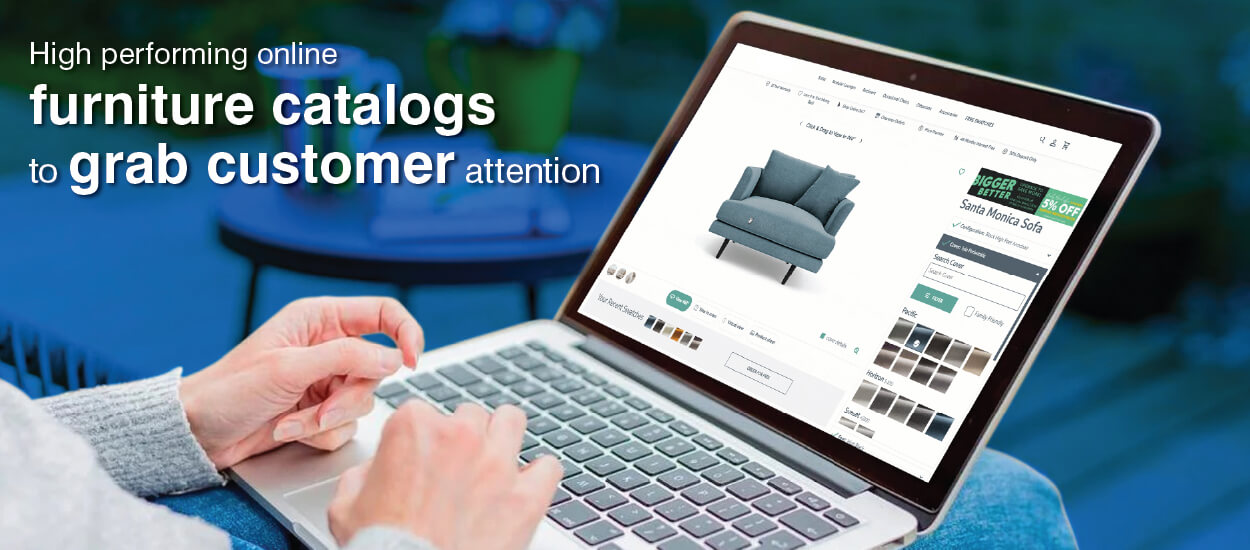
Managing furniture product catalogs can be challenging due to multiple product variants, inventory, dimension complexities and customer demands. If not managed properly, these issues can impact both operations and profitability. Investing in furniture catalog management is the need of the hour.
If cart abandonment, low conversions and high returns are becoming a constant feature in your online furniture store, your catalog could be partly responsible. Online catalog management is no longer optional for furniture retailers.
Low quality furniture images, incorrect descriptions and outdated inventory information can leave buyers frustrated. Even a minor inaccuracy in dimensions can convert a sale to return.
Buyers look to visualize the actual dimensions in their own space. Furniture catalog management is evolving and with features like 3D and AR. Studies show that AR visualization can increase conversion rates by up to 40% and reduce return rates by more than 60%.
With large product volumes spread across multiple channels, maintaining accuracy and consistency across all touchpoints requires proven furniture catalog management practices.
Catalog quality has a direct impact on product searchability, buyer confidence and conversions. Read on to understand the need for online furniture catalog optimization and best practices.
Managing large furniture catalogs?
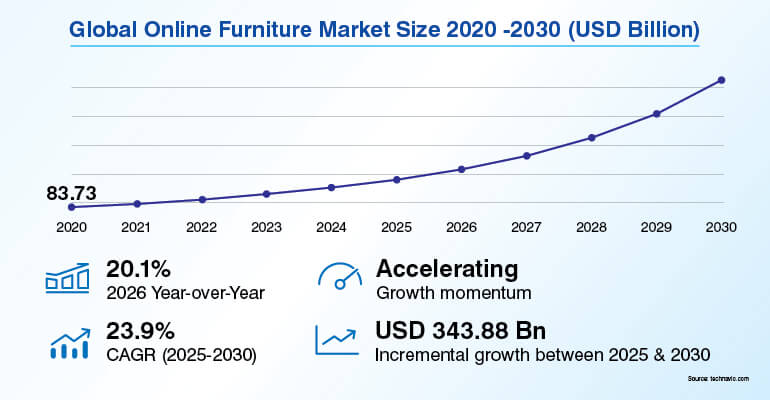
Online furniture shopping is growing at a very fast pace. Buyers are looking to discover, evaluate and purchase using digital catalogs rather than visiting the store physically. The furniture market growth projected to increase by USD 343.88 billion at a CAGR of 23.9% between 2025 and 2030 is a clear indicator of the trend.
And that is the reason catalog management is needed. With thousands of SKUs to be managed and where products are sold across different channels like websites, marketplaces, mobiles etc. catalog information is important. Even a minor error in terms of stock, price, dimensions, descriptions etc. can lead to abandoned carts and returns. Online furniture catalog optimization is an absolute necessity.
In simple words furniture catalog management is the process of organizing, maintaining, enriching, and distributing product information. It includes every single detail about the product right from product descriptions, dimensions, images, videos, price, product variants and attributes.
An optimised furniture catalog supports better product discovery and increased conversions. Customers are happy as they find exact product they are looking for and businesses benefit with better sales.
Common catalog management challenges and impact
| Common Challenge | Impact |
|---|---|
| Inaccurate Product Data | Incorrect dimensions and specifications cause returns. |
| Poor Product Visuals | Customers struggle to evaluate products confidently. |
| Inventory Mismatches | Shoppers encounter unavailable or out-of-stock items. |
| Variant Management | Multiple colors and sizes become difficult to manage. |
| Catalog Inconsistency | Information differs across channels and marketplaces. |
| Poor Product Discovery | Customers struggle to find relevant products. |
| Multi-Channel Complexity | Managing listings across platforms becomes challenging. |
Furniture catalog management goes much beyond just listing products along with descriptions, attributes, price etc. The catalog needs to be accurate and engaging enough for a smooth customer experience. The shopping should be smooth and quick.
Here are 10 furniture catalog best practices that helps furniture retailer improve product discovery, customer satisfaction, and sales performance.
Since online buyers cannot physically see the furniture, they need complete and accurate information on the product. Buyers would need all possible information on dimensions, colour, material etc. to make an informed decision. Any inaccuracy can lead to loss of trust, abandoned carts, complaints and low conversions.
To ensure accuracy across all platforms, product information must be updated regularly. Some sensitive information like price requires real time update while images and attributes can be updated whenever there is any kind of product modification.
It is a good idea to use technologies like Product Information Management (PIM) systems, automated update workflows, and data validation tools for accuracy and consistency.
Periodic audits can help identify outdated, duplicate, or inconsistent information before it affects customer experience. Product data accuracy enables purchase decisions contributing to higher conversions and sales.
Here is a list of common product information that must be updated and the frequency.
Keep information updated
| Information Type | Recommended Update Frequency |
|---|---|
| Inventory & Stock Levels | Real-time or daily |
| Pricing & Promotions | Real-time or as changes occur |
| Product Descriptions | When products change |
| Dimensions & Specifications | When products change |
| Images & Videos | When new visuals are available |
| Product Variants | As new options are introduced |
| Catalog Audit | Monthly or quarterly |
Your piece of furniture maybe a masterpiece with lovely texture, finish, design and craftsmanship. But it will not serve the purpose unless it can be visually showcased for your online buyers. And if the image quality cannot do justice to the product, then you lose a customer who would have purchased. The key lies in presenting products through high-quality visuals.
It is not only about high-quality image, for furniture viewing buyers need access to multiple viewing angles, close up shots and demonstration videos. Include images with high resolution for better viewing. Retailers should also leverage advanced techniques such as 360 degrees views, 3D models and AR visualization.
Technology like 3D product rendering helps buyers examine furniture from different angles creating three-dimensional image while Augmented Reality (AR) visualization helps virtually placing the furniture in their own space. Automated image optimization automatically resizes images for different platforms.
High quality images and videos improve customer engagement, reduces uncertainty and creates a wonderful shopping experience.
Furniture catalogs often contain a large number of products listed and finding the one the buyer is looking for requires them to narrow the choice through filters and search functions. This is important as if the buyers don’t find the product quickly, they move to another platform.
Incomplete or inconsistent attributes make products harder to discover. That is the reason product attributes matter, and a strong product attribute framework becomes essential for effective product discovery. Well defined attributes improve navigation and search results.
The common attributes that must be added in the catalog includes:
Invest in technology like Product Information Management (PIM) systems that can centralize and standardize product attributes across channels. Catalog consistency in online furniture stores is essential for filters to work effectively.
AI-powered classification can categorize products and assign attributes based on product data and images. Apart from these other tools like data standardization and filter optimization tools can ensure consistency and improve product discoverability.
A strong product attribute framework supports personalization and recommendations creating a seamless shopping experience.
Online furniture catalog optimization improves search visibility where retailers attract high-intent shoppers. Optimized listings increase organic traffic and drive more conversions.
Most of the customers use search engines or marketplaces to search. If the listings are poorly optimized it gets difficult for the potential buyers to find products.
Based on common search patterns used by furniture buyers, retailers must optimize product titles, categories, descriptions, images and metadata. This will improve visibility across marketplaces and search engines.
Identify search terms commonly used by customers through keyword research tools. It is also a good idea to take support from SEO optimization platforms. You can also use schema markup that will help search engines to better understand product information. Apart from these AI content optimization tools can improve content relevance and search performance analytics can monitor rankings, traffic and listing performance.
Search engine optimization attracts high-intent buyers and reduces dependence on paid advertising improving click-through rates.
What should be optimized in furniture listings?
| Element | Why It Matters |
|---|---|
| Product Titles | Improves search relevance. |
| Product Descriptions | Helps products rank for keywords. |
| Product Attributes | Enhances filtering and discovery. |
| Category Pages | Improves category-level visibility. |
| Meta Titles & Descriptions | Increases search click-throughs. |
| Image Alt Text | Supports image search visibility. |
| URLs | Improves crawling and indexing. |
| Internal Links | Strengthens site navigation and SEO. |
| Customer Reviews & FAQs | Adds fresh, keyword-rich content. |
Product categorization is extremely important as it helps the buyers discover the relevant products quickly. While it may appear simple, categorization plays a critical role in product discovery.
Furniture product taxonomy helps customers browse and find products quickly and easily. It structures and classifies furniture products into logical categories and subcategories.
Common furniture categorization criteria
| Category Type | Example |
|---|---|
| Product Type | Sofa, Bed, Dining Table |
| Room Type | Living Room, Bedroom, Office |
| Attribute | Example Values |
| Style | Modern, Contemporary, Traditional |
| Material | Wood, Metal, Glass, Fabric |
| Price Range | Budget, Mid-Range, Premium |
| Brand/Collection | Brand or Product Series |
| Size | Small, Medium, Large |
| Functionality | Storage, Recliner, Foldable |
Managing product categorization across hundreds or thousands of products is not easy. It often gets challenging. Invest in following techniques for smooth sailing. Apart from category taxonomy frameworks invest in AI-powered product classification that automatically assigns products to relevant categories.
Also attribute based navigation organizes products using key attributes and filters while faceted search solutions enable multi-criteria product filtering. And finally partnering with reputed catalog management platforms helps with effective online catalog management.
Struggling with product discovery?
Furniture buying is often combined with other purchases. One purchase may require a complementary product to go with the primary purchase. Furniture purchases are often part of larger room setup.
In such a scenario relevant recommendations help shoppers discover additional products while creating a more convenient and personalized shopping experience.
The whole process of product recommendation can be automated using customer behaviour analysis. AI recommendation engines suggest the products based on past customer behaviour. Behaviour analytics tools analyze customer preferences while personalized platforms deliver tailored recommendation to individual customers.
CRM and customer data platforms use customer insights to improve recommendation accuracy.
This activity supports business growth in many ways. There is an increase in average order value, strengthens personalization and boosts revenue opportunities.
Common cross-selling opportunities in furniture retail
| Primary Product | Recommended Products | Benefit |
|---|---|---|
| Sofa | Coffee table, rug, side table | Complete living room setup |
| Bed | Mattress, bedside table, dresser | Improved bedroom experience |
| Dining Table | Dining chairs, crockery unit | Complete dining solution |
| Office Desk | Office chair, storage cabinet | Enhanced workspace functionality |
| Recliner | Side table, floor lamp | Added comfort and convenience |
In today’s scenario every customer looks for personalization. Personalization reduces search effort and helps customers find products aligned to their taste and need. This increases the chances of purchase and improves customer satisfaction.
Catalog personalization matters because every customer has unique needs, preferences and even budgets. Shoppers are presented with products relevant to their preferences and budgets. Showing every product to every customer can limit engagement.
Tailoring product displays and recommendations to individual preferences and behavior, retailers can create more relevant shopping experiences and improve customer engagement.
Personalization can be using various factors. Some of them being:
Furniture retailers can use personalization technologies like customer behaviour analytics that tracks browsing and purchase patterns. AI-powered recommendation engines suggest products based on individual preferences.
Tools like marketing automation deliver personalized emails while predictive analytics anticipate customer needs. Retailers can also invest in Customer Data Platforms (CDPs) that consolidates customer information from multiple sources.
Personalization improves customer engagement and customer retention.
With the furniture catalog growing in size and complexity, managing information across different marketing channels gets more challenging. With data stored in separate spreadsheets and platforms chances on inconsistencies creeping in increases.
A centralized catalog management system consolidates product details, images, inventory, pricing, customer data, and supplier information into a single source of truth. Centralizing catalog data helps maintain a single source of truth. This ensures accurate and consistent product information across touchpoints.
Integrated catalog management platforms help centralize product and customer information. Product Information Management (PIM) systems centralize and manage product data across channels while Customer Relationship Management (CRM) systems store and manage customer interactions and preferences.
Retailers can synchronize inventory, pricing and operational data using ERP integrations while images and videos can be managed through Digital Asset Management (DAM) systems. Data synchronization tools ensure information remains consistent across platforms.
Keeping the information synchronized while selling across multiple channels often gets challenging. That is the reason multi-channel automation matters.
Furniture retailers often sell through multiple channels like websites, mobile apps, ecommerce platforms and many other such channels. It is practically not possible to update catalogs manually. It can be both time consuming and error prone.
Automation helps maintain consistency while reducing administrative efforts and delays.
Furniture retailer can use multi-channel automation to streamline product listings, update inventory, price changes, product attributes, category mapping and even marketplace compliance requirements.
Automation technologies that help synchronize catalog information and reduce manual intervention across multiple sales channels include:
This improves customer experience across channels and enhances operational efficiency.
Managing such huge furniture catalogs is not possible without the support of experts and AI. Managing the growing complexities and channel requirements gets challenging. Doing it manually can be resource-intensive and prone to errors.
AI-powered technologies and experienced catalog management professionals help retailers improve efficiency, scalability, and data quality.
AI can automate multiple catalog management tasks including product categorization, attribute extraction, data enrichment, quality monitoring, image tagging and many other such tasks.
It is the combination of AI and human expertise that helps maintain a consistent and accurate furniture catalog.
From AI-powered product classification to attribute extraction tools every task can be automated. Automated data enrichment enhances product information with missing details while duplicate detection algorithms identify and eliminate duplicate listings.
And in the end human quality review ensures accuracy, consistency and compliance.
AI along with catalog management experts reduces manual workload, accelerates updates and enables faster time to market.
Furniture catalogs are not only product repositories, but they are also strategic sales assets. It is often the first interaction a customer has with any furniture brand.
Online furniture buying depends on trust as customer cannot physically inspect products. It is important to present each and every aspect of the furniture with honesty and without any ambiguity. It is trust that drives conversions.
Catalog quality directly impacts business performance. But with increasing complexity, furniture catalog management needs to elevate to a different level. Technology is becoming essential. PIM, automation, AI-powered techniques, multi-channel synchronization, every aspect needs to be technology driven.
And finally with all automation human expertise still matters. AI improves speed and scale, but experts ensure accuracy, consistency and quality.
In the competitive digital marketplace, the main differentiator will be the furniture catalog. Retailers that invest in catalog excellence will be better positioned to compete, scale, and deliver superior customer experiences.
What’s next? Message us a brief description of your project.
Our experts will review and get back to you within one business day with free consultation for successful implementation.

Disclaimer:
HitechDigital Solutions LLP and Hitech BPO will never ask for money or commission to offer jobs or projects. In the event you are contacted by any person with job offer in our companies, please reach out to us at info@hitechbpo.com